Understanding the frequent tripping of your EV charger can be frustrating. Many electric vehicle owners encounter the issue of "why does my EV charger keep tripping the circuit breaker." This problem is not just an inconvenience; it can signify deeper electrical issues.
In the modern era of sustainability, electric vehicle adoption is rising. However, with this increase comes the responsibility of ensuring charging systems function correctly. An EV charger tripping the breaker can stem from various reasons, including voltage imbalances or overloading circuits. Sometimes, it might even be due to poor installation practices or issues with the charger itself.
Identifying the root cause is essential for safe charging. Ignoring these tripping events can lead to significant problems down the line. It is important to consult with experts and conduct routine checks. In this guide, we will explore the top reasons behind this common electrical hiccup. Together, we will delve into solutions, ensuring your charging experience remains smooth and reliable.
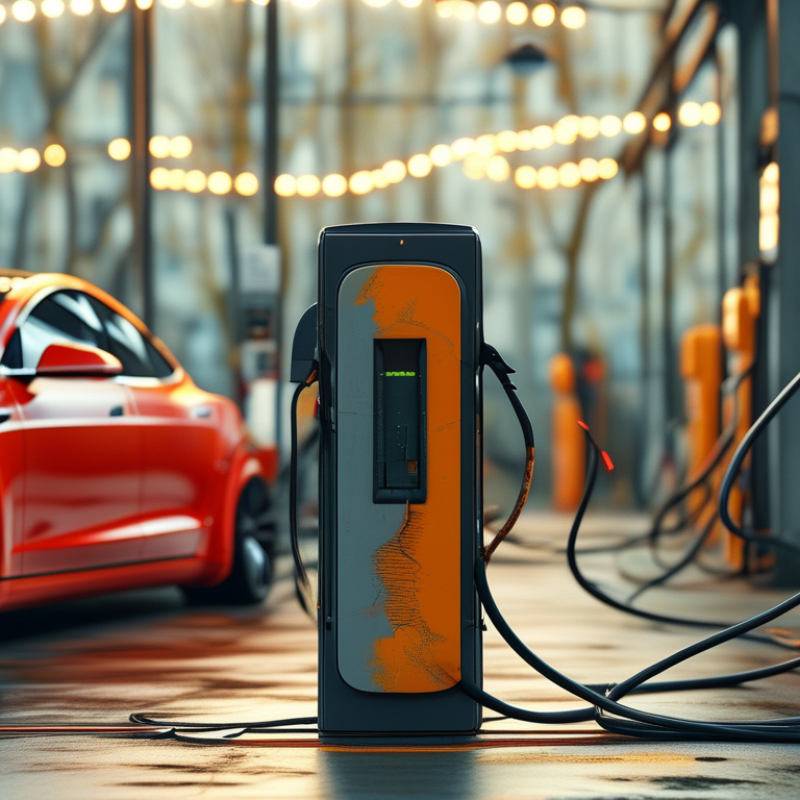
When dealing with EV charger issues, it’s crucial to understand common causes behind tripping breakers. One prevalent reason is the electrical demand surpassing circuit capacity. According to the National Electric Code (NEC), a dedicated circuit is essential for high-powered chargers. If other devices are on the same circuit, it may lead to overload, causing breakers to trip.
Another common issue can be faulty wiring or connections. Poor connections can generate heat and lead to dangerous situations. The Institute of Electrical and Electronics Engineers (IEEE) reports that improper wiring contributes to over 15% of electrical failures. Regular inspection of the charger and its connections can help prevent this.
Ground fault or leakage current also plays a significant role in tripping breakers. EV chargers should include ground fault protection. If the protection device malfunctions or does not exist, it triggers the breaker. Research indicates that approximately 7% of breaker trips in residential circuits stem from ground faults. Ensuring that your installation meets safety standards is essential. This highlights the importance of professional installation and maintenance for EV chargers.
Understanding the functionality of circuit breakers is crucial in the context of EV charging. Circuit breakers act as safety devices, protecting your electrical system from overloads and shorts. When an EV charger trips the breaker, it signals that something is amiss. Data from the National Fire Protection Association indicates that over 50% of residential electrical fires are due to overloaded circuits. This makes understanding your breaker’s limitations essential.
EV chargers typically require high amperage, often between 16 to 80 amps, depending on the model. If your circuit is rated for a lower amperage, the breaker will trip to prevent overheating. Experts recommend ensuring that your home’s electrical wiring meets the demands of your EV charger. However, even well-designed systems can face issues. Faulty wiring, moisture, or poor connections can lead to frequent tripping, which requires immediate attention.
It's important to note that not every breaker tripping is a sign of a severe issue. Sometimes, it's a protective response to minor fluctuations in the electrical grid or your home. When troubleshooting, it’s insightful to consider factors such as age and wear of electrical components. A recent report from the Electric Power Research Institute shows that outdated wiring in older homes can significantly increase the risk of breaker tripping when using high-demand devices like EV chargers. Optimizing your setup may take time, but it's vital for safe and efficient charging.
Overloading is a common issue affecting EV charger performance. When too many devices draw power simultaneously, the electrical system can become strained. This often leads to tripping breakers. According to industry studies, overloading can cause significant inefficiencies in charging, with performance reductions of up to 40%. It is crucial to understand how this electrical imbalance impacts your EV charger.
To prevent overloading, consider monitoring your home’s total electrical load. Invest in a smart energy meter that helps track power usage. This can inform you when you're near capacity. Always ensure your EV charger is installed on a dedicated circuit to avoid sharing power with other high-demand appliances.
If frequent tripping occurs, reassess the total load capacity of your system. Sometimes, older wiring or outdated breakers may not handle modern demands well. Consulting with an electrician can clarify these issues. Regular inspections of your charging setup can help identify problems before they escalate.
Electric vehicles (EVs) are changing the way we approach transportation. However, issues with EV chargers can result in frustrating experiences, particularly when breakers trip unexpectedly. One key factor contributing to such malfunctions comes from faulty wiring. According to a report by the National Electrical Contractors Association (NECA), improper wiring is a leading cause of electrical malfunctions in residential setups. This situation can occur when wires are not correctly installed, are damaged, or are not rated for the load they are handling.
Grounding problems are another area to investigate. A study by the Institute of Electrical and Electronics Engineers (IEEE) revealed that inadequate grounding contributes to a significant number of electrical faults. Poorly grounded systems may lead to electrical surges, causing breakers to trip. Implementing proper grounding solutions not only enhances safety but can also prolong the life of your EV charging equipment.
It's crucial to assess your wiring and grounding systems regularly. DIY fixes are tempting, but they may not align with industry standards. Engaging a licensed electrician ensures a thorough inspection and compliance with local codes. Awareness should precede action. Often, users overlook the importance of these basic electrical principles, leading to further complications and increased costs.
When your electric vehicle (EV) charger keeps tripping the breaker, it can be frustrating. Understanding potential causes helps you troubleshoot effectively. For starters, ensure your charger is compatible with your electrical system. Mismatched voltage levels can lead to trips, especially if your setup is outdated. A professional electrician can assess this compatibility and make necessary adjustments.
To prevent breaker trips, check the wiring. Damaged or frayed wires often cause short circuits, which trip breakers. Regular inspections can detect these issues early. Additionally, ensure your charger doesn’t overload your circuit. Most residential circuits handle 15-20 amps. If your charger exceeds this, a dedicated circuit might be necessary.
Another common issue involves moisture or debris in your charger. Keep the charging station clean and protected from the elements. Inspect connectors for rust or residue. These factors can interfere with the charger’s performance and lead to interruptions. If problems persist, consulting a qualified technician is a wise step. They can provide deeper insights and repairs to keep your EV charging smoothly.
: Often, it’s because the electrical demand exceeds the circuit capacity. This can lead to an overload.
A dedicated circuit prevents overload by ensuring no other devices share the power supply, which keeps the system safe.
Poor connections and faulty wiring can create heat, causing dangerous situations and leading to potential failures in the system.
Ground fault protection prevents electrical shocks. If it malfunctions, it may trigger the breaker.
Not necessarily. Some trips can be protective responses to minor electrical fluctuations in the grid or home.
Regular inspection of the charger and its connections is vital. Check for wear or damage to wiring and connectors.
Yes, older wiring can increase risks for breaker tripping, especially with high-demand devices like EV chargers.
Yes, moisture can lead to poor connections and increase the likelihood of breaker trips, requiring immediate attention.
Professional installation is critical. It ensures compliance with safety standards, reducing risks of tripping and electrical failures.
Troubleshoot by checking connections, inspecting wiring, and assessing your circuit’s amperage. If issues persist, consult a professional.
If you’re wondering, "why does my EV charger keep tripping the circuit breaker?" there are several common causes to consider. First, understanding how circuit breakers function in EV charging is essential. Breakers trip primarily due to overloading, where the electrical demand exceeds the circuit's capacity, leading to performance issues with your EV charger. Additionally, faulty wiring or grounding problems can create unsafe conditions, resulting in frequent trips.
To troubleshoot and prevent these breaker trips, it's crucial to identify the root causes. Check for any overloaded circuits and ensure proper wiring and grounding. Implementing effective practices can not only enhance charging performance but also extend the longevity of your EV charging system. Regular assessments and maintenance can help keep your EV charger running smoothly and reduce the likelihood of circuit breaker trips.

Midwest Charger