As electric vehicles (EVs) gain traction, many drivers seek practical solutions for charging. This includes learning how to use a Tesla charger with a non-Tesla car. According to a recent report from the International Energy Agency, the global EV market is projected to grow exponentially, with charging infrastructure crucial to supporting this growth. Tesla has supplied over 25,000 Superchargers worldwide, making it a popular and reliable option for EV users.
However, the challenge arises for non-Tesla EV owners. Tesla chargers primarily support Tesla vehicles, but there are ways for other brands to access this infrastructure. Current industry data shows that around 15% of all public charging stations are compatible with non-Tesla cars. Understanding how to utilize these stations effectively can enhance accessibility.
Navigating the charging landscape may seem daunting. Some non-Tesla owners are unaware of the necessary adaptors or apps needed. There can also be confusion surrounding payment options and charger availability. As more drivers embrace EV technology, addressing these obstacles is essential for a seamless charging experience.
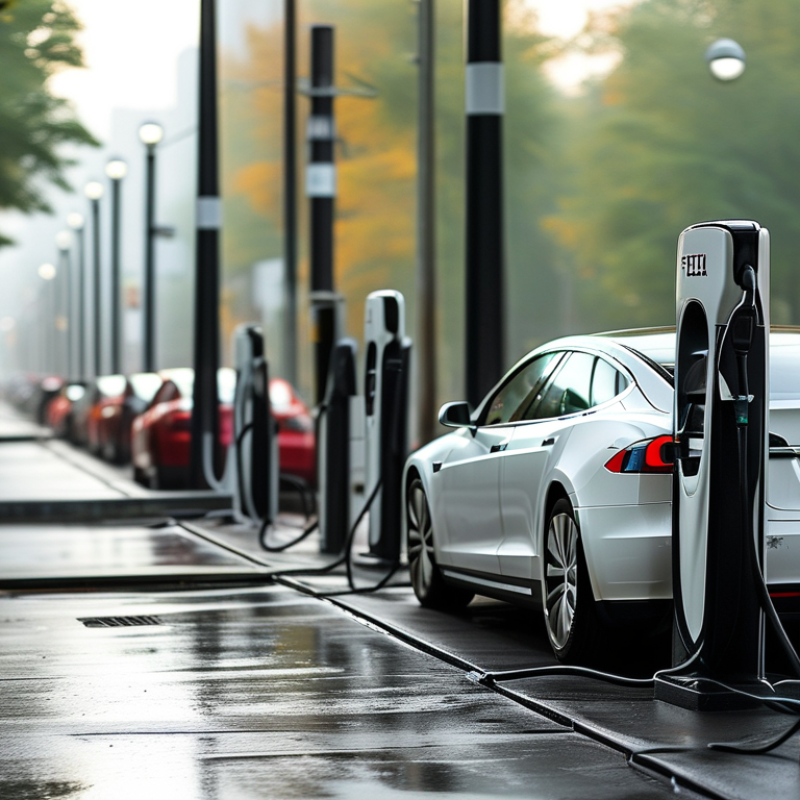
When considering charging a non-Tesla vehicle at a Tesla charging station, understanding compatibility is crucial. Tesla stations primarily support their own vehicles, but adapters are available for some models. Not all non-Tesla electric cars can easily connect. Adapters can vary in quality and availability, leading to frustration for drivers.
It's important to check if your vehicle is compatible with the Tesla charging system. The Type 2 connectors are often used in Tesla stations across Europe, while CCS connectors dominate in the U.S. Some charging stations may be limited to specific types or brands. Testing different adapters might be necessary, as results can differ.
Charging speeds can also vary widely. Non-Tesla vehicles might charge slower than their Tesla counterparts. Researching specific charging speeds can save time and reduce disappointment. Plan your charging needs strategically, especially during long journeys. Proper preparation can lead to a more seamless charging experience. There’s still a learning curve involved, highlighting the need for accurate information.
Identifying non-Tesla electric vehicles eligible for charging is increasingly important as Tesla opens its charging network. According to recent data, over 10% of EV drivers use charging stations beyond their own brand, indicating a growing market for interoperability. The ability to charge at Tesla stations can enhance convenience for many drivers, making understanding eligibility vital.
Several key features determine if a non-Tesla vehicle can charge at a Tesla station. First, the vehicle must support the CCS charging standard, as most new models do. Reports indicate that around 70% of EVs on the market now comply with CCS specifications. This means that many non-Tesla EVs could gain access to Tesla’s extensive network. This shift highlights a move toward greater inclusivity in charging infrastructure.
However, not all non-Tesla vehicles qualify. Older models, especially those using proprietary connectors, may face challenges. Additionally, users often report confusion over adapter compatibility and station functionality. While Tesla's network expands, it’s crucial to continually check eligibility. This evolving landscape poses questions about accessibility and user experience, reflecting ongoing challenges in the transition to a more integrated electric vehicle charging system.
Charging a non-Tesla car at Tesla charging stations can seem daunting, but it is achievable with the right approach. As of 2023, Tesla has opened many of its Supercharger stations to non-Tesla vehicles, enhancing their accessibility. These stations are located strategically along major highways, catering to the growing community of electric vehicle (EV) users.
To charge, locate a nearby Tesla Supercharger using charging apps or Tesla's official website. Once you arrive, park in a designated spot. If your car is compatible, follow the instructions on the charger. For some models, you may need an adapter to connect. Charging times vary, but most EVs can gain significant range in about 30 minutes, according to industry data from the International Energy Agency.
Understanding the charging fees is crucial. Some stations charge per minute, while others may have a flat rate. Be mindful of potential idle fees if you leave your car unattended after charging. Many users advise planning your charging stops in advance.
Familiarizing yourself with the charging network can improve your experience. Not all non-Tesla vehicles can take advantage of the same charging speeds. Check the specifications for your car model to ensure compatibility. Some drivers have expressed frustration over limited access or slower charging times compared to Tesla vehicles. Awareness and preparation are key to a smooth charging experience.
When it comes to charging a non-Tesla vehicle at Tesla charging stations, understanding payment options is crucial. Many stations now accommodate various types of electric vehicles, expanding access. Drivers often face questions about how to effectively use these facilities without hassle. Making use of mobile apps or RFID cards can streamline the process. Some charging stations allow for credit card payments, making it more accessible.
One common concern is compatibility with different vehicles. While many Tesla stations now support other brands, not all are equipped the same. It's essential to check which stations accept non-Tesla vehicles before heading out. Some drivers report confusion around pricing structures. Understanding the specific fees associated with charging can prevent unexpected costs.
Lastly, keeping track of charging sessions adds to the convenience. Mobile apps often provide detailed transaction histories. This feature can help users manage expenses effectively. However, some drivers have noted issues with app connectivity. Experiencing technical problems can be frustrating and disrupt the charging experience. Being prepared for potential glitches can ease the inconvenience.
| Charging Station Location | Charging Speed (kW) | Payment Method | Cost per kWh (approx.) | Availability |
|---|---|---|---|---|
| Location A | 150 | Credit Card / Mobile App | $0.28 | 24/7 |
| Location B | 72 | Credit Card only | $0.35 | Open 6 AM - 10 PM |
| Location C | 250 | Mobile App | $0.25 | 24/7 |
| Location D | 100 | Credit Card / Mobile App | $0.30 | Open 8 AM - 8 PM |
Charging a non-Tesla car at Tesla charging stations can be a straightforward process if you prepare adequately. Many stations now accommodate various electric vehicles, but it's wise to check compatibility first.
Different cars may require specific adapters to connect. Bringing your own adapter for the charging port can save time and ensure a proper connection.
Arriving at a charging station, check the status of the chargers. Sometimes, they may be occupied or out of service. Patience is essential, as waiting for an available charger can be frustrating. If you encounter issues, consulting the Tesla app or website can provide real-time updates about charger availability. Engaging with fellow EV drivers may also yield helpful insights or advice.
It's crucial to monitor your charging session. Some stations limit charging time, so keep an eye on your vehicle to avoid potential interruptions. Remember, charging speeds can vary. An underperforming station may not charge your vehicle as expected. This experience can be a reminder to have backup charging plans. Flexibility and readiness are key for a smooth experience.
: Yes, non-Tesla vehicles may charge at Tesla stations, but compatibility varies.
Check if your vehicle supports the CCS charging standard commonly used at Tesla stations.
Tesla stations typically use Type 2 connectors in Europe and CCS connectors in the U.S.
Yes, non-Tesla vehicles may charge slower than Tesla vehicles. Research speeds beforehand.
Plan charging stops in advance to ensure compatibility and speed. This can save time.
Many stations accept mobile apps, RFID cards, or credit cards for payments.
Yes, adapters are available, but quality and compatibility can vary, potentially causing frustration.
Confusion over pricing and app connectivity can disrupt the charging experience. Be cautious.
No, older models with proprietary connectors might not qualify for Tesla charging stations.
Use mobile apps to monitor charging sessions and transaction histories for better expense management.
This article provides a comprehensive guide on how to use a Tesla charger with a non-Tesla car. It begins by explaining the basics of Tesla charging stations and their compatibility with various electric vehicles. Readers will learn which non-Tesla electric vehicles are eligible for charging and follow a step-by-step guide outlining the process of utilizing Tesla charging stations.
Additionally, the article discusses different payment options available for charging non-Tesla vehicles and offers practical tips to ensure a smooth and efficient charging experience. By the end, users will feel equipped to confidently navigate the Tesla charging network, expanding their charging options and enhancing their electric vehicle experience.

Midwest Charger