In the world of technology, encountering a "charging faulted" error can be frustrating. This issue often appears on screens, leading users to seek effective solutions. Experts like Dr. Emily Chen, a renowned tech specialist, once stated, "Understanding the root cause of charging errors is key to effective troubleshooting." Her insight emphasizes the importance of proper diagnosis.
When faced with how to troubleshoot a "charging faulted" error on screen, users may feel lost. Many devices display this error due to faulty cables, connectors, or software glitches. Identifying these causes can make a difference in your troubleshooting journey. Common symptoms include inconsistent charging or slow power ups.
It is essential to approach this issue methodically. Start by examining the charging cable for visible damage. A damaged cable can lead to miscommunication between the device and charger. If the cable seems functional, inspect the charging port for debris or lint. Keeping these components clean can resolve many issues. Lastly, consider resetting the device or updating the software. Each step will bring you closer to a resolution.
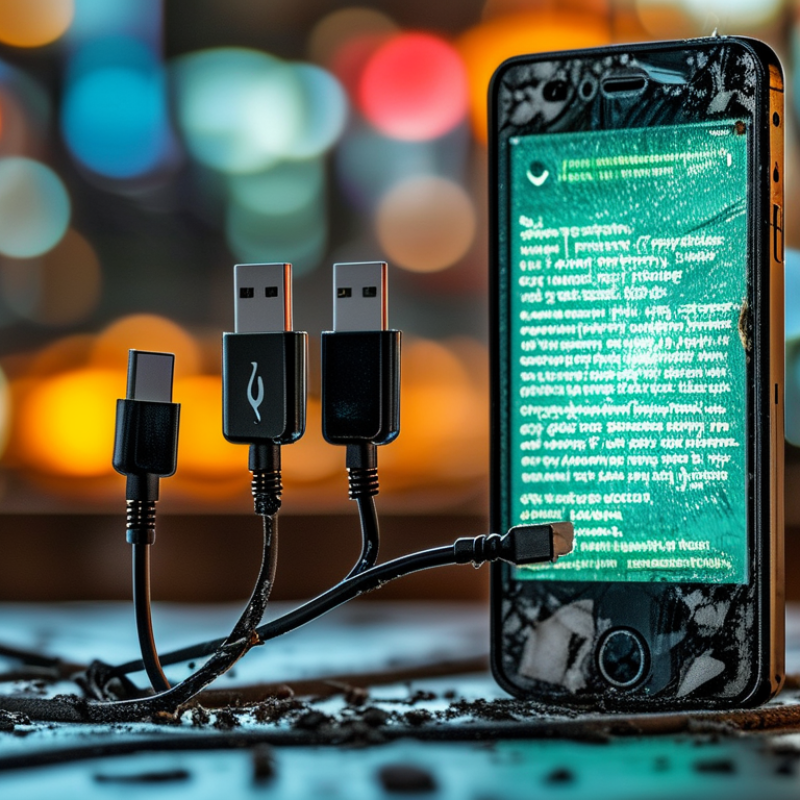
Charging faulted errors can be frustrating for users. These errors often stem from hardware malfunctions, poor connections, or software issues. A recent industry report indicated that nearly 30% of smartphone users have experienced charging problems. An unreliable connection can lead to malfunctions that disrupt daily activities.
Understanding the root causes behind charging faulted errors is vital. A common issue is a damaged charging port. Physical debris may prevent proper contact between the charger and device. Studies show that improper handling of devices can result in costly repairs. Regular maintenance can mitigate these problems. Another factor is outdated software, which may impair charging functionality. Keeping a device updated can enhance performance and avoid issues.
In some instances, users resort to DIY fixes. While this is tempting, it may not address underlying problems. Over half of DIY attempts lead to further damage. Recognizing when to seek professional help is crucial. Devices have intricate designs, and amateur efforts may worsen the situation. Awareness of these factors can lead to better management of charging faulted errors.
Charging faulted errors can stem from several common issues. One significant cause is a faulty charging cable. According to industry reports, nearly 30% of charging issues arise from damaged cords. Regular wear and tear can lead to frayed cables, which may not connect properly to a device. This simple problem often goes unnoticed until it disrupts daily usage.
Another prevalent cause is the charging port itself. Dust and debris can accumulate, obstructing the connection. Studies show that about 25% of users experience this issue, leading to ineffective charging. Cleaning the port can be a straightforward fix. However, if the port is damaged, professional repair might be needed. It’s crucial to maintain device hygiene to prevent these complications.
Battery health also plays a crucial role. Older batteries can degrade and become less efficient. Research indicates that battery lifespan decreases significantly after 500 charge cycles. Users might find their devices charging erratically or draining quickly. Being aware of battery condition can help prevent future frustrations. Many overlook the importance of regular battery checks, which could save time and resources in the long run.
| Causes | Description | Solutions |
|---|---|---|
| Faulty Charging Cable | A damaged or frayed cable may prevent proper charging. | Inspect the cable for visible damage and replace it if necessary. |
| Dirty Charging Port | Dust and debris in the charging port can obstruct the connection. | Use a can of compressed air or a soft brush to clean the port. |
| Software Glitch | Sometimes the device may not recognize the charger due to software issues. | Restart the device or check for software updates. |
| Incompatible Charger | Using a charger that isn't compatible with the device can cause errors. | Always use the recommended charger and power adapter for the device. |
| Battery Issues | A failing battery can mislead the charging process. | Consider replacing the battery if it fails to hold a charge. |
Encountering a charging fault on your device can be frustrating. Begin by assessing your charger and cable. Check for any visible damage. A frayed cable can significantly hinder charging. Don’t rely solely on visuals; gently bend the cable. Listen for any internal breaks. If everything appears fine, plug it into a different outlet. Sometimes, the issue lies within the power source itself.
Next, inspect the charging port of your device. Dust and debris might accumulate, leading to poor connectivity. Use a soft brush or a compressed air canister. Proceed with caution to avoid damaging the port. Ensure your device isn’t too hot or cold. Extreme temperatures can interfere with charging. If your device remains unresponsive, try soft resetting it. This simple action can resolve software glitches that impact charging. Consider the possibility of using another device’s charger to rule out component failure.
Charging faults can be frustrating. Preventive measures can help avoid these errors effectively. According to industry reports, up to 30% of device users experience charging issues due to improper handling. Proper care can significantly reduce this percentage.
One crucial step is to regularly inspect charging ports for debris. Dust or lint accumulation can obstruct connections. A simple cleaning can enhance performance. Additionally, using high-quality cables is essential. Substandard cables may lead to overheating or short circuits, increasing the risk of charging faults.
Another important factor is to avoid extreme temperatures. Research indicates that 65% of charging failures occur in environments exceeding 30 degrees Celsius. Keeping devices in a moderate climate can prolong battery life. Regularly updating device software is also vital. Outdated software can cause compatibility issues with charging systems. Taking these steps not only enhances device longevity but also promotes a more reliable charging experience.
When dealing with charging problems, it's crucial to know when to seek professional help. If your device frequently shows a charging faulted error, it might indicate deeper issues. These could range from faulty cables to internal hardware malfunctions. Observing the symptoms can guide you. Look for unusual heat or swelling around the device. If these signs are present, it’s time to consult an expert.
Another indicator is the duration of the issue. A sporadic problem may be solved with simple troubleshooting steps. However, persistent issues that last for days can signal a serious fault. It’s wise to avoid ignoring these persistent errors. If basic fixes like changing cables or cleaning ports do not work, professional assistance becomes critical. They can conduct thorough diagnostics and provide targeted solutions. Rely on their expertise to prevent further damage and potential safety hazards.
: Charging errors often result from hardware malfunctions, poor connections, or software issues.
Look for visible damage on the charger and gently bend the cable to check for internal breaks.
Inspect the charging port for dust and debris, and clean it carefully if necessary.
Consult an expert if the device shows frequent errors or unusual signs like heat or swelling.
Yes, outdated software may impair charging. Keeping your device updated can enhance its performance.
DIY fixes can be tempting. However, they often worsen issues. Recognizing when to seek help is vital.
Extreme temperatures can interfere with charging. Ensure your device is at a stable temperature.
If changing cables and cleaning ports don't work, professional diagnostics are needed to identify deeper issues.
About 30% of smartphone users report experiencing charging issues at some point.
Regular maintenance and careful handling of devices can help mitigate charging problems over time.
In today's technology-driven world, encountering charging faulted errors on devices can be a frustrating experience. Understanding the common causes, such as dirty ports or faulty cables, is the first step in resolving these issues. To effectively learn how to troubleshoot a "charging faulted" error on screen, users should follow a structured step-by-step troubleshooting process, including checking connections, inspecting the charging cable, and testing different power sources.
Preventive measures play a crucial role in avoiding future charging problems, such as keeping charging ports clean and using high-quality accessories. However, if the issue persists despite these efforts, it may be time to seek professional help. Addressing charging faulted errors promptly can ensure that your device remains functional and reliable.

Midwest Charger