Outdoor chargers are becoming increasingly popular as more people rely on portable devices. However, the risk of unauthorized use is a growing concern. Knowing how to prevent unauthorized use of my outdoor charger is essential for protecting your investment and ensuring that your devices remain charged and ready for use.
Many outdoor chargers are left in public spaces, making them vulnerable. An unattended charger can attract thieves or people who may see it as a free resource. To safeguard your charger, employing effective strategies is crucial. Basic measures can easily deter unauthorized users.
Consider using physical locks or dedicated charging stations in well-monitored areas. Securing your device-related investments requires awareness and proactive strategies. Identifying potential threats in your environment can guide you in implementing the right preventive measures.
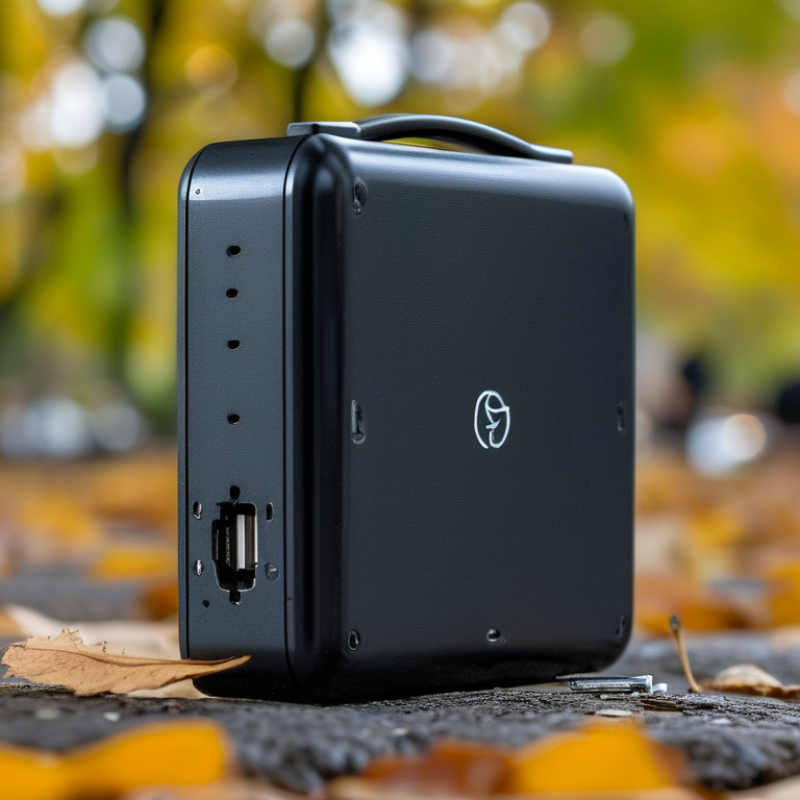
Outdoor chargers present several security risks that must be addressed. One major concern is the risk of theft. Chargers left unattended can attract unwanted attention. Thieves often look for easy targets, and a visible charger can be a tempting opportunity.
Sturdy, lockable enclosures can help mitigate this risk but are not foolproof.
Another issue involves unauthorized access. Many outdoor chargers do not have robust user authentication systems. This allows anyone nearby to connect their devices without permission.
Implementing user verification, such as access codes, can reduce this vulnerability. However, these systems can be cumbersome and may discourage legitimate users.
Environmental hazards also pose risks. Extreme weather can damage outdoor equipment or disrupt service. Regular maintenance checks are necessary yet can be neglected.
Lastly, it’s crucial to educate users about securing their devices while using outdoor chargers. Without proper awareness, users may inadvertently expose themselves to data theft or other risks. Balancing convenience with security remains a challenge.
Implementing physical barriers is an effective strategy to prevent unauthorized use of outdoor chargers. Simple solutions can be surprisingly effective. For instance, using fences or locked enclosures can deter casual users. A well-designed enclosure can prevent anyone from accessing the charging units without proper authorization. Consider adding reinforced security features, such as alarms or surveillance cameras, to enhance protection.
Signage is another crucial aspect of creating barriers. Clear warnings about unauthorized use can minimize risks and hold users accountable. Laminated signs with bold letters can catch attention. Local regulations should also be considered in signage design. Engaging community members in discussions about physical barriers can bring valuable insights. They may suggest innovative ideas and share concerns that could be overlooked.
However, while barriers can improve security, they can also present challenges. Some individuals may find ways to bypass these defenses. Ongoing maintenance is essential to ensure barriers remain effective. Reflecting on past issues can provide context for improvement. Have there been any breaches? Are current barriers sufficient? Regular audits of these measures can help identify weaknesses and prompt necessary changes.
Smart technology has transformed how we manage outdoor chargers. Access control systems are vital. They ensure that only authorized individuals can use the charging stations. One useful feature is biometric access, which often includes fingerprint scanners. This technology is user-friendly and enhances security. It reduces the risk of unauthorized access significantly.
Monitoring is another key aspect. Smart cameras can be integrated into charging stations. These cameras provide real-time footage and alerts. They deter potential misuse and allow for quick responses to incidents. Regularly reviewing footage helps identify patterns of unauthorized use. Adjusting security measures based on this data improves overall safety.
Implementing smart locks is a practical solution too. These locks can be programmed to allow specific users access. However, they require regular updates and maintenance. If not managed properly, they can fail, leading to security gaps. Balancing convenience with security is essential. We must continually assess our strategies to ensure they remain effective.
Educating users on safe charging practices is crucial in preventing unauthorized use of outdoor chargers. Many people are unaware of the risks associated with public charging stations. Awareness can help mitigate these risks effectively. Users should understand that leaving chargers unattended can invite misuse. So, a proactive approach is necessary.
Tips for safe charging include regularly monitoring charging devices. Encourage users to check on their devices frequently. This simple act can deter unauthorized users. Additionally, use charging stations in well-lit, busy areas. This reduces the chances of someone tampering with devices.
It's also important to educate users on recognizing signs of tampering. A damaged or unusual-looking charger should be avoided. By fostering a culture of vigilance, users can protect themselves. Promoting safe practices creates a collective responsibility towards charger security. Engaging workshops can help reinforce this knowledge and build awareness.
| Preventive Measure | Description | Effectiveness Rating (1-5) |
|---|---|---|
| User Education | Teach users about risks and safe charging practices. | 5 |
| Secure Charging Stations | Install chargers in secured locations accessible only to authorized users. | 4 |
| Authentication Requirement | Require users to authenticate before using the charger. | 5 |
| User Awareness Campaigns | Conduct campaigns to raise awareness of unauthorized use risks. | 4 |
| Monitoring Systems | Implement cameras or monitoring systems around charging areas. | 3 |
| Physical Locks | Use locks to secure chargers when not in use. | 4 |
| User Registration | Require registration for access to charging facilities. | 5 |
| Regular Audits | Conduct regular audits of usage and security protocols. | 3 |
| Community Engagement | Engage the community in maintaining the security of charging locations. | 4 |
| Reporting Mechanisms | Establish systems for reporting suspicious activity related to chargers. | 5 |
Regular maintenance and inspection of outdoor charging stations are essential steps to prevent unauthorized use. Conducting frequent checks helps identify vulnerabilities like damaged cables or loose connections. Inspecting charging units for software updates can protect against security breaches. It is important to establish a routine maintenance schedule and adhere to it diligently.
Besides visual inspections, employing monitoring technology can enhance security. Set up surveillance cameras near charging stations to deter potential misuse. Detailed logs of usage can help identify unusual patterns and flag unauthorized attempts. Engaging reliable personnel for these inspections assures that maintenance activities stay on track and effective.
However, even with vigilance, nothing guarantees complete security. Human error can lead to oversight in inspections. Weather can also impact the physical condition of the stations. Continuous reflection on maintenance practices can lead to better strategies. Gathering feedback from users often reveals hidden issues and concerns. By valuing these perspectives, facility managers can build a more secure environment.
: The main risks include theft, unauthorized access, and environmental hazards. Chargers can attract thieves when left unattended.
Using sturdy, lockable enclosures can help deter theft, but they are not foolproof. Always monitor charging areas.
Robust user authentication prevents unauthorized access. Without it, anyone nearby can connect their devices easily.
Regular inspections are essential. Check for damaged cables, loose connections, and software updates to improve security.
Surveillance cameras can deter misuse. Logs of usage help identify unusual patterns and potential unauthorized access.
Weather can damage equipment and disrupt service. It’s crucial to conduct regular maintenance checks to catch these issues.
Educating users about securing their devices is vital. Awareness helps prevent data theft and encourages responsible usage.
Human error may lead to oversight during inspections. Continuous reflection is necessary for improving maintenance practices.
Engaging users can reveal hidden issues and concerns about charging stations. Listening to feedback leads to better security measures.
To effectively address the issue of unauthorized use of outdoor chargers, it is essential to understand common security risks associated with their placement in public spaces. Measures such as implementing physical barriers can significantly limit access, while the incorporation of smart technology can enhance access control and monitoring capabilities. These actions collectively contribute to a secure charging environment.
Moreover, educating users on safe charging practices is vital to mitigate risks. By informing them about the potential for unauthorized use and how to recognize it, users can play an active role in safeguarding these chargers. Regular maintenance and inspections are also crucial for identifying and addressing vulnerabilities, ensuring that charging stations remain secure. To summarize, knowing how to prevent unauthorized use of my outdoor charger involves a combination of physical security, user education, and consistent monitoring.

Midwest Charger