A portable EV charger may look rugged, but its cable, connector, and control box still need thoughtful storage. The International Energy Agency reported that electric-car sales reached nearly 14 million worldwide in 2023, making dependable charging equipment increasingly important. Yet a charger’s everyday risks are smaller and closer at hand: a damp garage floor, a tightly kinked cable, or a connector left exposed to dust.
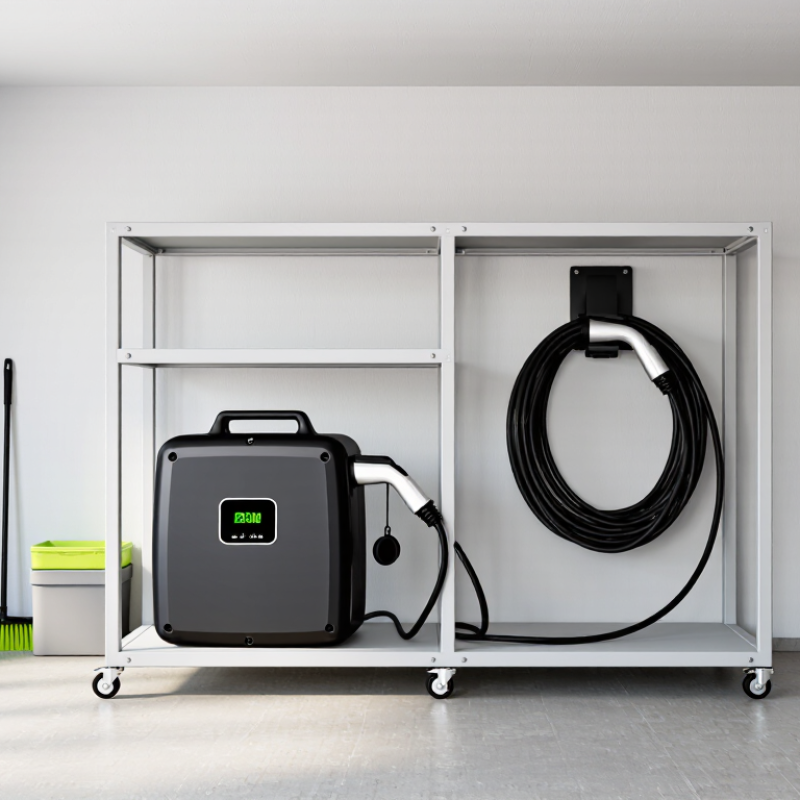
So, what is the safest way to store a portable ev charger? Follow the charger manufacturer’s manual first. Let the unit cool after use, disconnect it as instructed, and keep the connector clean and dry. Coil the cable loosely; tight bends can stress its outer jacket. Store the charger indoors in a dry, temperate place, away from direct sunlight, standing water, and objects that could crush it. A wall hook or dedicated storage bag can keep the cable off the floor. Small habits matter.
The U.S. Department of Energy’s Alternative Fuels Data Center describes portable charging equipment as a way to charge from an appropriate electrical outlet, but the outlet and charger must be used as their manufacturers specify. That practical detail is easy to overlook. I can’t verify a named expert’s exact quotation on charger storage from the information provided, so I won’t invent one. Before relying on a quote, check the original interview or published guidance. Safety advice should be traceable, not merely confident.
After charging, stop the session using the vehicle or charger controls, then unplug by gripping the connector body. Never pull the cable. Check the vehicle manual for the correct shutdown sequence; some systems require charging to stop before the connector unlocks. Let the charger cool on a dry, clear surface before coiling it. A warm cable after use can be normal, but a hot plug, burning smell, discoloration, or damaged casing deserves attention. Do not pack it away while hot.
Tips: Keep the connector off wet ground. Loosely coil the cable only after it cools, and avoid tight bends near the plug. If you are unsure whether it is cool enough, wait a little longer. That small delay is easy to overlook.
The U.S. Department of Energy’s Alternative Fuels Data Center distinguishes Level 1 charging at 120 volts from Level 2 at 240 volts. Because charging conditions and equipment vary, there is no single safe cooling time for every portable charger. Follow the manufacturer’s instructions, and check for unusual heat before storing the unit in a case or vehicle compartment. A quick visual check is not a technical inspection, but it can catch obvious damage.
Disconnect the charger and let it cool before storing it. Follow these steps in order.
The bars show the sequence of actions, not measured values. Store the cooled charger clean and dry, protected from direct sunlight and physical damage.
How to Safely Store a Portable EV Charger
Clean and Inspect the Cable, Connectors, and Control Unit
Before storing a portable EV charger, unplug it and let the cable cool. Wipe the cable with a soft, dry cloth. If dirt remains, use a slightly damp cloth, then dry every surface completely. Avoid solvents and spraying liquid into connector openings. Check the full cable length for cuts, flattened spots, swelling, or exposed wire. A small flaw can be easy to miss near a bend. Take your time.
Inspect both connectors under good light. Look for bent contacts, cracks, corrosion, or debris; never scrape contacts with metal tools. Check the control unit for damaged casing, loose buttons, or moisture inside its display or seams. The International Energy Agency reported that public charging points grew by 40% in 2023, reaching nearly 4 million worldwide. That expansion reflects more charging equipment in use, but it does not mean an individual portable unit is safe when damaged. Follow the charger’s own care instructions, since designs differ.
Coil the cable loosely, without tight loops or sharp kinks, and keep connectors off the floor. Store the unit indoors in a cool, dry place, away from direct sun and heavy objects. I sometimes find that neat storage hides a problem rather than fixing it. If inspection reveals damage, do not use the charger until a qualified service provider has assessed it.
A portable EV charger’s cable needs a loose, even coil—not a tight twist around the charger body. In its Global EV Outlook 2024, the International Energy Agency reports that nearly 14 million electric cars were sold in 2023, making careful handling of everyday charging equipment increasingly relevant. Start near the connector and form broad loops, about the width of your forearm. Keep the cable relaxed; sharp bends near the plug can strain the outer jacket and internal conductors over time. IEC 62196-1 sets requirements for EV plugs and connectors, but it does not provide one universal storage-coil diameter. Follow the charger’s own instructions where available.
Tips: Use the cable’s natural curve as a guide. Avoid pulling it taut, folding it sharply, or cinching it with a narrow strap. A soft hook-and-loop tie can hold the loops without crushing them. Store the coil in a dry, shaded place, away from grit and heavy objects. Before packing it, check for cuts, flattened spots, or exposed wires. I have sometimes rushed this step; it is easy to miss damage when the cable is dusty or poorly lit. If you find visible damage, stop using the cable and arrange a qualified inspection.
A portable EV charger can be easy to overlook after a drive. Give it a dry, sheltered place indoors, away from sinks, damp floors, and open windows. Moisture can reach connectors even when the cable’s outer surface looks dry. Let the charger air-dry fully before storing it if it has been exposed to rain. Never pack it away while damp.
Heat matters, too. Avoid leaving the charger in a sunlit car, beside a heater, or near other warm equipment. High temperatures can stress cable insulation and electronic components over time. Store the cable loosely coiled, without tight bends or heavy objects pressing on it. A sturdy shelf or storage bin can help prevent accidental knocks, but don’t cram the unit into a crowded space. I’ve found that a rushed coil is often the one that gets kinked later.
Tips: Check the cable and plug for cuts, cracks, or bent pins before storage. Keep connectors off the floor, and use a clean, dry cover that does not trap moisture. If the charger feels unusually hot, smells burnt, or shows visible damage, stop using it and consult its manufacturer’s instructions or a qualified service professional. A little extra care takes seconds.
Choose a dry, shaded storage spot for your portable EV charger, such as a ventilated shelf in a garage. Keep it off damp concrete and away from heaters, direct sunlight, oils, and heavy tools. A clean, covered container can reduce dust, but avoid sealing away a charger that is still warm. Follow its manual for storage temperatures and cable handling. Coil the cable loosely; sharp bends can strain its outer jacket. Small detail, big difference.
Check the charger before storing it and again before use. Look for cracks, flattened cable sections, loose strain relief, moisture, or darkened connector pins. Keep the plug ends clean and dry, and do not use the unit if damage is visible. The National Fire Protection Association’s report on electrical distribution and lighting equipment found an average of about 32,620 U.S. home structure fires per year from 2015 to 2019. That figure covers many types of equipment, not portable EV chargers specifically, but it underlines why damaged electrical gear deserves attention. A quick check takes little time. I still sometimes overlook dust around the connector, so a monthly reminder can help make inspection routine.
| Storage Factor | Recommended Practice | What to Check | Suggested Frequency |
|---|---|---|---|
| Location | Store the charger in a clean, dry, sheltered area away from standing water, direct sunlight, and sources of heat. | Look for leaks, damp patches, condensation, or nearby heat sources. | At each use and during regular storage checks |
| Temperature | Keep the charger within the storage temperature range stated in its user manual. Avoid leaving it in a very hot or freezing vehicle for extended periods. | Check the manual for the permitted range and assess whether the storage area regularly exceeds it. | When choosing a storage location and seasonally |
| Moisture and dust | Use a dry storage bag or container if appropriate, while ensuring the charger is completely cool and dry before packing it away. | Check the case, cable, and connectors for moisture, dirt, or signs of corrosion. | Before packing and before each use |
| Cable arrangement | Coil the cable loosely without sharp bends, tight twists, or strain at the connector ends. | Look for kinks, cuts, crushed sections, or damaged insulation. | Before and after use |
| Connectors and protective caps | Keep connector ends clean and fit their protective caps when provided. Do not place heavy objects on them. | Check for cracked housings, bent or discolored contacts, and debris. | Before storage and before each use |
| Physical protection | Store the charger where it cannot be stepped on, crushed, or exposed to sharp objects. Keep it away from chemicals and flammable materials. | Confirm the storage space is secure and free from objects that could fall or cause damage. | During routine storage checks |
| Inspection and readiness | Follow the manufacturer's instructions for cleaning, inspection, and storage. Do not use a charger with visible damage. | Check the cable, plug, control unit, and connectors; arrange qualified service if damage is found. | Before every charging session |
Safety note: Always follow the charger’s user manual and the vehicle manufacturer’s guidance. Storage recommendations can vary by model.
Unplug it and let the cable cool. Wipe it with a soft, dry cloth. Use a slightly damp cloth for stubborn dirt, then dry every surface fully. Keep liquid out of connector openings.
Check the cable for cuts, flattened areas, swelling, kinks, or exposed wires. Under good light, inspect connectors for cracks, bent contacts, corrosion, or debris. Look for casing damage or moisture around the control unit.
Coil it loosely, with no tight loops or sharp bends. Keep the connectors off the floor. A rushed coil may look tidy but can leave a kink.
Choose a cool, dry, shaded, ventilated spot indoors, such as a garage shelf. Keep it away from heaters, direct sunlight, damp floors, oils, and heavy tools.
Yes, if the container is clean and dry. Do not seal in a warm or damp charger, and avoid packing it tightly among other items.
Let it air-dry completely before storage. Moisture can reach connectors even when the cable looks dry. Do not pack it away while damp.
No. Stop using it and have a qualified service provider assess it. Do not scrape connector contacts with metal tools.
Inspect it before storage and again before use. A monthly reminder may help catch dust or wear around the connectors. Small detail, big difference.
Stop if it feels unusually hot, smells burnt, or shows cracks, moisture, darkened pins, or cable damage. Follow its care instructions or consult a qualified professional.
To store a portable EV charger safely, first disconnect it from the vehicle and power source, then let it cool completely. Check the cable, connectors, and control unit for dirt, moisture, cracks, or other signs of damage, and clean them gently with a dry, soft cloth. Before putting the charger away, coil the cable loosely in broad loops, avoiding kinks, sharp bends, or tight ties that could weaken the wiring.
If you are wondering what is the safest way to store a portable ev charger, keep it in a dry, cool place away from direct sunlight, heat sources, water, and anything that could crush or strike it. Use a storage case or shelf that protects the unit without putting pressure on the cable or connectors. Check the charger and its storage area regularly, and do not use the charger if you notice damage or deterioration.

Midwest Charger