In recent years, the discussion around charging devices has gained momentum. One of the key debates centers around "why is a tethered charger better than a socket version." Industry expert Dr. Alex Carter, a leading figure in electrical engineering, emphasizes, "Tethered chargers offer convenience and safety that socket versions often lack."
Tethered chargers provide a streamlined approach for users. They eliminate the hassle of fumbling with cables and can maintain consistent connectivity. Users notice less wear and tear on their devices over time. However, tethered chargers might still have limitations. For example, they can restrict mobility in certain setups, causing frustration in larger living spaces.
Moreover, tethered chargers often require professional installation. This step may deter some users. Ultimately, weighing the pros and cons is crucial. Understanding "why is a tethered charger better than a socket version" helps consumers make informed choices. It’s essential to recognize that preferences can vary based on individual needs.
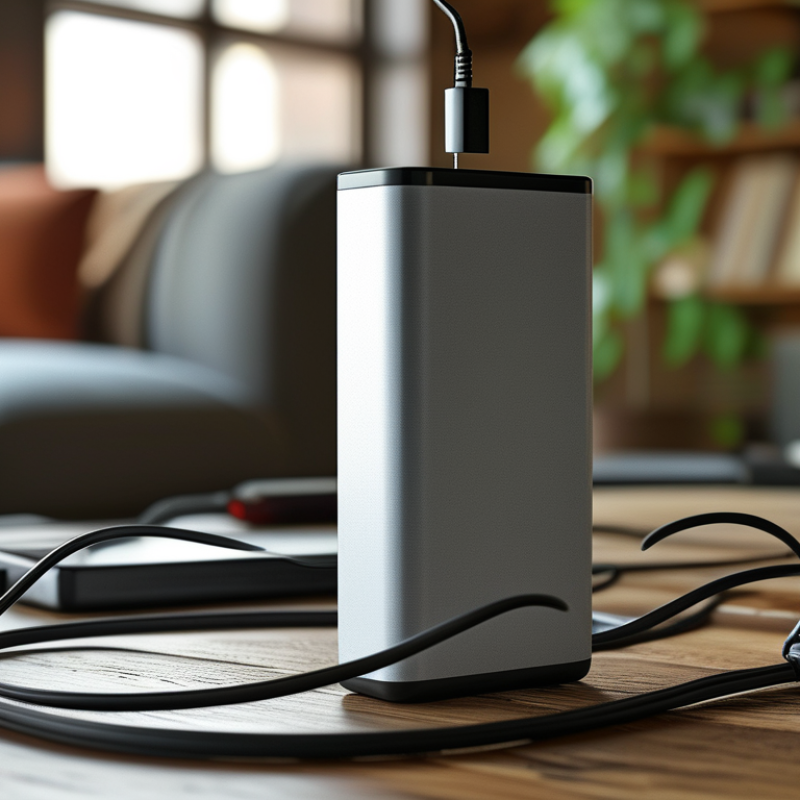
Tethered chargers present significant advantages over traditional socket chargers. They offer convenience and efficiency that many users appreciate. For instance, a tethered charger eliminates the need to search for an outlet. This can save time, especially in busy environments. With a tethered charger, the user can connect and recharge with ease. The design encourages usage and reduces the chances of misplacing the charger.
Another benefit is the enhanced safety feature of tethered chargers. They are often designed to prevent electrical hazards. A user does not have to worry about loose connections or short circuits. Additionally, tethered chargers can safely accommodate various devices. They may include multiple output options, allowing users to charge phones, tablets, and other gadgets simultaneously.
Despite these benefits, tethered chargers do have limitations. They may not be as portable as traditional chargers. Users must consider placement and accessibility. Moreover, a tethered option may not suit everyone’s lifestyle. Some people prefer the flexibility of unplugging and moving while charging. It is essential to evaluate personal needs when choosing between tethered and socket chargers.
Tethered chargers are becoming increasingly popular due to their superior charging efficiency. A recent report from the International Energy Agency (IEA) highlights that tethered chargers can reduce energy loss during the charging process by up to 30%. Unlike traditional socket chargers, which may experience significant power loss due to poor connection or extension cords, tethered chargers ensure a direct and stable energy flow. This consistency is crucial for devices needing rapid charging.
In addition to energy efficiency, tethered chargers offer convenience and reliability. Many models include built-in safeguards, reducing the risk of overheating and electrical faults, issues that can arise with conventional socket chargers. A survey by the Consumer Technology Association found that 78% of users prefer tethered solutions for their predictability and ease of use. However, there are trade-offs. The limited range of tethered chargers may pose challenges in larger spaces. Assessing the location and accessibility becomes essential for effective usage.
Another aspect to consider is the evolution of battery technology. With advancements, battery life is improving, but the demand for quick charging persists. Tethered chargers can fulfill that need more efficiently. Nevertheless, prioritizing convenience sometimes leads to oversight in device compatibility. Users often find it challenging to ensure that their devices sync properly with various tethered models, leading to wasted time and frustration.
When it comes to safety, tethered chargers often stand out compared to traditional socket chargers. They minimize potential hazards. For instance, a tethered charger leads directly to the device, reducing the chances of tripping over loose cables. This simple design can prevent injuries in busy environments, such as homes or offices.
Socket chargers, while common, present more risks. Users frequently leave charging cables loose, which can lead to accidental disconnections. If a device drops while charging, the impact might damage the device or the charger. Moreover, over time, socket connections can wear out, increasing the risk of electrical malfunctions. Tethered chargers maintain a consistent connection, making them more reliable.
In real life, safety considerations often get overlooked. People may assume socket chargers are sufficient, but accidents can happen. Tethered solutions require more thought in installation and use, yet they offer peace of mind. Evaluating both options carefully can lead to safer charging practices. It's essential to recognize your charging habits and adjust them for improved safety.
Tethered chargers are becoming popular due to their convenience and accessibility. Unlike traditional socket chargers, they offer a more user-friendly experience. With a tethered charger, you don’t have to search for an outlet. Just plug in to charge. This simple action saves time and reduces frustration.
The design of tethered chargers often means longer cables. This allows users to charge their devices while using them comfortably. You can browse your phone or watch videos without strain. Convenience is key. A tethered charger can be mounted at any height, ensuring easier access for everyone.
**Tips:** Ensure the tethered charger is easily visible and within reach. This prevents awkward bending or stretching when you need charge. Also, regularly check the cable for wear and tear to ensure safety. A worn cable can be a hazard. Lastly, consider using multiple tethered chargers in different rooms for additional convenience.
Tethered chargers are gaining popularity for their cost-effectiveness. Unlike traditional socket chargers, they minimize wear and tear. This leads to longer-lasting devices. Consider how often socket chargers fail due to frayed wires or damaged plugs. Such issues can result in costly replacements.
With tethered charging solutions, users often experience reduced energy costs. These devices are designed for efficiency. They often use less energy during charging. This can lead to significant savings on electricity bills over time. Additionally, the maintenance costs for tethered chargers are usually lower. Fewer parts mean fewer repairs.
However, the initial investment in tethered charging may give some pause. Users might question the upfront cost against the ongoing savings. It’s important to weigh these factors carefully. Long-term benefits often outweigh short-term expenses. This is a common area for reflection and growth in consumer choices. Adopting tethered charging can lead to substantial benefits down the line.
| Charging Solution | Initial Cost ($) | Annual Electricity Cost ($) | Lifespan (Years) | Total Cost Over 5 Years ($) |
|---|---|---|---|---|
| Tethered Charger | 150 | 30 | 10 | 300 |
| Socket Charger | 80 | 60 | 5 | 380 |
: Tethered chargers provide convenience and efficiency. Users don’t need to search for outlets, saving time in busy environments.
They reduce electrical hazards by maintaining a consistent connection. There's less risk of tripping over loose cables or short circuits.
Yes, they often have multiple output options. This allows charging phones, tablets, and other gadgets at the same time.
They can be less portable than traditional chargers. Users need to think about placement and accessibility when using them.
Socket chargers can pose more risks. Loose cables can lead to accidental disconnections or damage during charging.
Tethered chargers can save on energy costs and reduce wear and tear, leading to long-term savings despite higher initial costs.
Evaluate personal charging habits and preferences. Some may find tethered solutions less flexible for their lifestyle.
Yes, they need thoughtful installation. Proper setup can enhance safety and ease of use, which many overlook.
Yes, they are designed for efficiency, using less energy during charging, which can lead to lower electricity bills over time.
Socket chargers often fail due to frayed wires or damaged plugs, resulting in costly replacements. Tethered options minimize such problems.
Tethered chargers offer several advantages over traditional socket chargers, making them a compelling choice for many users. Firstly, the charging efficiency of tethered chargers is generally superior, as they provide a direct and stable power supply, minimizing energy loss during the charging process. Safety is another critical aspect; tethered chargers often incorporate built-in protections against overcharging and electrical surges, enhancing user safety in everyday use.
Furthermore, the convenience and accessibility of tethered chargers cannot be overlooked, as they eliminate the hassle of searching for an outlet and managing multiple connections. Users can simply connect their devices quickly and seamlessly. Additionally, when considering long-term savings, tethered charging solutions often prove to be more cost-effective due to their durability and improved energy efficiency. Overall, these factors address the question of why is a tethered charger better than a socket version, highlighting its benefits for modern consumers.

Midwest Charger