As the demand for electric vehicles (EVs) surges, integrating renewable energy sources into our homes becomes essential. One of the most effective solutions is leveraging solar energy to power home EV wallboxes. In 2022, the U.S. Department of Energy reported a 70% increase in EV adoption, highlighting the urgency for sustainable charging options. Utilizing solar energy not only reduces carbon footprints but also cuts down electricity costs.
An estimated 24% of American households have adopted solar energy systems. This trend reflects a growing awareness of how to use solar energy to power my home EV wallbox. Pairing solar panels with an EV charging station creates a self-sufficient energy ecosystem. By harnessing sunlight, homeowners can effectively eliminate the dependence on grid electricity for charging.
However, challenges persist. Initial investment in solar technology can be high, and not every home has optimal sunlight exposure. Additionally, fluctuations in energy production may require a backup plan. Homeowners must weigh these factors carefully before making the switch. Ultimately, the shift toward solar-powered EV charging systems signifies a positive step toward sustainable living, even if it requires some adjustments along the way.
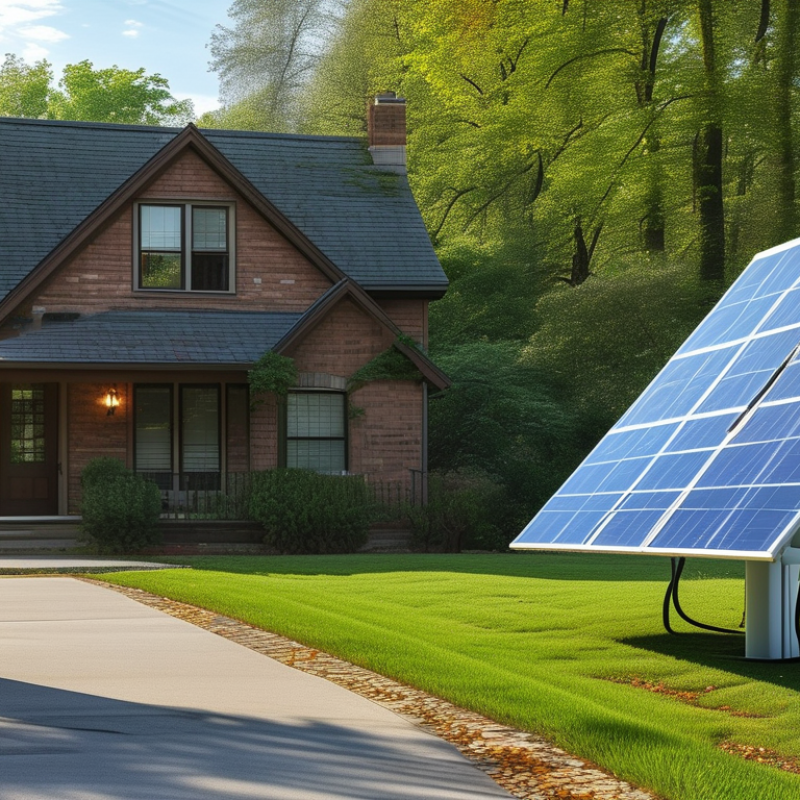
Solar energy offers a compelling solution for home EV charging. It significantly reduces electricity costs and carbon emissions. According to the U.S. Department of Energy, solar power can save homeowners up to $1,500 annually on energy bills. Integrating solar with your EV wallbox not only supports your vehicle but also enhances your home's energy independence.
Installing a solar panel system requires an initial investment. However, many states provide incentives to help offset costs. A recent report found that homeowners who use solar energy for EV charging have a payback period of about 5 to 7 years. After this period, the savings can be substantial. Solar energy can also increase your home’s resale value by up to 4.1%, providing a valuable long-term investment.
Tips: Consider installing a battery storage system. This allows you to store excess solar energy generated during the day for nighttime EV charging. Also, monitor your energy usage. Understanding your home's consumption can help you better size your solar system to meet your charging needs. Transitioning to solar energy is not just about savings; it’s an essential step towards a sustainable future.
The trend of adopting solar energy in residential areas has seen significant growth in recent years. Homeowners are increasingly interested in sustainable energy solutions. The integration of solar panels with electric vehicle (EV) charging systems is becoming a popular choice. This trend not only reduces electricity costs but also supports environmental goals.
Many factors contribute to this rising popularity. Government incentives make solar installation more attractive. Additionally, as more people become aware of climate change, they seek eco-friendly alternatives. Solar energy is a clean resource. However, the initial investment can still be a barrier for some. Many wonder if the long-term savings truly outweigh the upfront costs.
Adopting solar energy is not without challenges. The efficiency of solar panels can vary based on location and weather. Some homeowners experience complications with installation. Others struggle to find reliable contractors. Not all neighborhoods offer the ideal conditions for solar energy generation. These factors often lead to mixed feelings about the transition. Continuous learning and improvements in technology are essential for enhancing solar adoption.
Solar energy offers a compelling alternative for powering home EV wallboxes. A cost analysis shows significant savings when comparing solar power with grid energy for EV charging. According to the U.S. Department of Energy, charging an electric vehicle at home typically costs about $0.13 per kilowatt-hour (kWh) using grid electricity. In contrast, solar energy costs can drop to as low as $0.06 per kWh after installation. This price difference can result in substantial savings over time.
On average, a typical home EV charges around 30 kWh for a full charge. If you charge frequently, using solar power could save you about $2.10 per charge. Over a month, these savings can accumulate to more than $60. However, this assumes consistent solar energy availability; cloudy days can affect efficiency.
Tip: Consider installing a battery storage system. This can optimize solar energy use, ensuring you have power available for charging even on less sunny days.
Some challenges exist in the transition to solar. Initial installation costs can be high, and not all homes are suited for solar panels. Additionally, local regulations and incentives vary widely, complicating the decision-making process. Weighing these factors is critical for accurate cost analysis.
Tip: Consult with local experts on financial incentives. New programs may help reduce installation costs or improve long-term benefits significantly.
Harnessing solar energy for home EV wallboxes significantly diminishes your carbon footprint. By charging your electric vehicle (EV) with solar power, you reduce reliance on fossil fuels. This shift positively impacts the environment. Solar energy is renewable and produces no emissions during use. It leads to cleaner air and a healthier planet.
Many people overlook the installation process. It's essential to choose a suitable location for solar panels. This affects energy capture. A south-facing roof may work best for maximizing sunlight exposure. Regular maintenance ensures your solar system functions efficiently. Check for debris or shading that can impact performance.
Consider integrating energy storage solutions. Batteries store excess solar energy for nighttime charging. This enhances your EV's efficiency and reduces peak demand on the grid. Keep in mind that conversion losses occur during energy storage. Understanding this helps you better plan your charging needs. By reflecting on these details, you adopt a more environmentally friendly lifestyle.
This chart illustrates the environmental benefits of using solar energy to power home EV wallboxes. The data reflects an estimated annual reduction in CO2 emissions, financial savings on electricity, and the amount of electricity generated from solar energy.
Installing solar energy systems can significantly reduce the cost of powering your home EV wallbox. According to the U.S. Department of Energy, homeowners can save up to 30% on installation costs through federal tax credits. Many states also offer additional incentives, such as rebates or property tax exemptions. This makes solar energy an appealing option for powering electric vehicle charging stations at home.
In 2022, the average cost of solar panel installation was approximately $3 per watt. When considering local incentives, some homeowners reported effective savings upwards of 50% off the total installation cost. Local utilities often provide rebates for installing energy-efficient systems. These incentives can further lessen the financial burden of going solar.
It's essential to note that while these savings are substantial, every household situation varies. Factors like roof orientation, local sunlight exposure, and electricity rates influence the overall return on investment. Potential buyers may need to conduct detailed research and might encounter challenges specific to their circumstances. Engaging with local solar energy experts can provide insights into available financial incentives fitting your unique scenario.
: Solar energy reduces electricity costs and carbon emissions. It can save homeowners up to $1,500 annually.
Solar energy can increase resale value by up to 4.1%. This makes it a worthwhile long-term investment.
Installing solar panels requires an initial investment. However, incentives can help offset these costs.
The payback period is typically about 5 to 7 years. After that, savings can be substantial and rewarding.
Consider a battery storage system. It helps store excess energy for nighttime EV charging.
Location and weather influence solar panel efficiency. Some homeowners face installation complications.
Some worry about the initial investment. They question if long-term savings outweigh upfront costs.
Monitoring energy usage helps determine the right solar system size. It can optimize your charging needs.
Finding reliable contractors and ideal conditions can be difficult. Mixed feelings about the transition often arise.
Continuous learning and technology improvements are essential. They can make solar more accessible to everyone.
Using solar energy to power your home EV wallbox offers numerous benefits, including cost savings, environmental sustainability, and energy independence. By harnessing solar power for EV charging, homeowners can significantly reduce their reliance on grid energy, resulting in lower electricity bills and a smaller carbon footprint. Current trends indicate a growing adoption of solar systems in residential areas, driven by advancements in technology and decreasing installation costs.
A cost analysis reveals that utilizing solar energy often proves to be more economical in the long run compared to conventional grid power. Moreover, various incentives and rebates are available, which can further enhance savings when installing solar systems. Therefore, understanding how to use solar energy to power my home EV wallbox is not only beneficial for the environment but also a smart financial decision for homeowners looking to invest in renewable energy solutions.
Midwest Charger