Discover our primary OEM/ODM line featuring advanced electrical contact mechanisms engineered for sustained high performance.
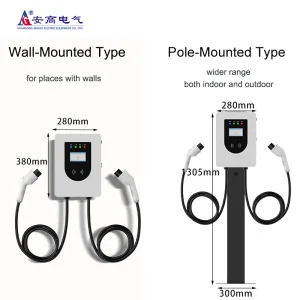

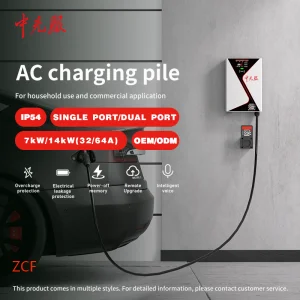
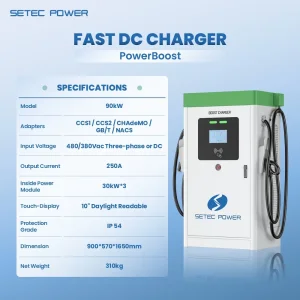
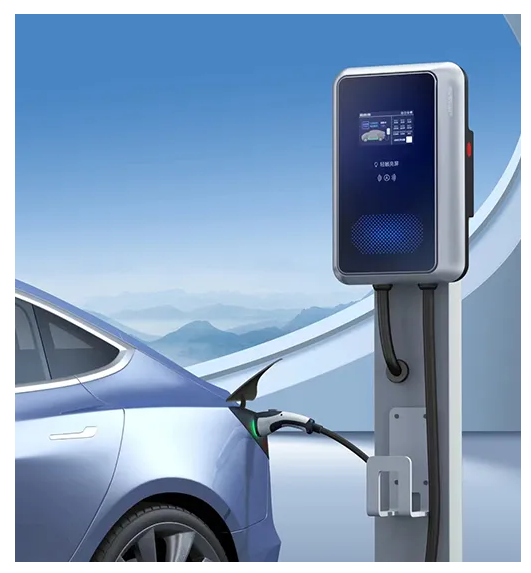
Zhejiang Midwest Charger Co., Ltd. is a premier, high-tech enterprise based in China, specializing in the research, development, custom design, and large-scale manufacturing of electric vehicle (EV) charging equipment and high-conductivity electrical interface components. Our extensive product portfolio spans home AC charging wallboxes, portable AC chargers, and ultra-high-performance DC fast charging stations designed for residential, commercial, and municipal public infrastructure projects globally.
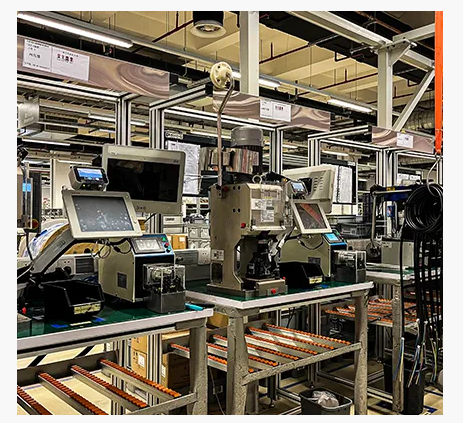
Leveraging a state-of-the-art 8,000-square-meter modern production facility staffed by a workforce of approximately 200 highly skilled engineers and manufacturing professionals, we integrate key supply chain processes in-house. A core specialization includes the design and micro-precision production of silver-plated terminal components, which serve as the physical contact backbone in high-voltage charging systems, power transmission connectors, and heavy-duty switchgear. Our dedication to precision ensures optimal performance, minimizing micro-ohm contact resistance and heat buildup.
Proven capabilities that position us as a reliable partner in the global power infrastructure sector.
In high-power distribution and electric vehicle charging applications, the performance and longevity of electrical connections are heavily dependent on surface finishing. Silver (Ag) features the highest electrical and thermal conductivity of any metal under standard conditions. As a result, silver-plated terminals represent the industry standard for systems where minimal losses and high currents are required.
“Silver-plated terminal pins reduce thermal generation at connection points, preventing terminal degradation. This technology is vital for systems operating continuously under 250A to 500A (CCS2/NACS) fast charging cycles.”
Compared to alternative surface coatings such as gold or tin, silver electroplating offers distinct mechanical and electrical advantages. While gold is excellent for low-power signal lines due to its resistance to oxidation, it is highly susceptible to wear and expensive for large-scale power contacts. Tin, on the other hand, is cost-effective but tends to form oxide layers that significantly increase contact resistance, leading to potential thermal failure under high currents.
| Contact Material Type | Electrical Conductivity (% IACS) | Hardness (HV) | Maximum Operating Temp (°C) | Ideal Application Context |
|---|---|---|---|---|
| Silver Plating (Ag) | 105 - 108% | 80 - 150 | 200°C | High-Power charging terminals, Busbars, Switchgear contacts |
| Gold Plating (Au) | 70 - 75% | 120 - 200 | 150°C | Signal contacts, low voltage sensor connections |
| Tin Plating (Sn) | 15% | 10 - 20 | 100°C | Static industrial connectors, cost-sensitive low-current lugs |
From raw design to automated high-speed electroplating, we offer scalable manufacturing services designed for international system integrators.
We provide tailorable plating configurations from 1μm up to 10μm. This includes selective plating for critical contact points, minimizing material waste while optimizing high-wear interfaces.
Utilizing high-performance underplates like Sulfamate Nickel or Copper diffusion barriers. This prevents base metal migration (such as copper diffusion through silver) and ensures consistent contact performance over thousands of mating cycles.
Every production batch is verified via X-Ray Fluorescence (XRF) to measure plating thickness and uniformity. This is coupled with micro-hardness and adhesion testing (thermal shock/tape-test) to meet automotive-grade IATF 16949 standards.
Our corporate vision is to make EV charging and power delivery safer, smarter, and more accessible. We strive to be a premier partner for OEMs globally, building an internationally recognized brand through technological innovation and strict quality control.
At Zhejiang Midwest Charger Co., Ltd., we prioritize structural integrity, material safety, and performance reliability. By constantly optimizing both the final assembly and the sub-component engineering (such as our silver-plated terminal pins), we ensure our partners receive solutions that meet demanding international compliance criteria.
High-voltage components face stringent oversight. To export successfully to North American and European markets, assemblies must comply with multiple international frameworks. Below are the key compliance methodologies we employ for our silver-plated terminal pins and integrated electrical equipment:
Whether you require standard silver plating or specialty silver-graphite composites for high-temperature switchgear, our in-house metallurgical testing lab supports your procurement and compliance processes.
As industry needs trend toward higher voltage levels (such as 800V-1000V automotive architectures and Megawatt Charging Systems - MCS), surface finishing technologies must evolve. Zhejiang Midwest Charger is actively investing in next-generation plating methodologies to address these challenges:
Silver reacts naturally with trace sulfur elements in the air to form silver sulfide ($Ag_2S$), commonly seen as tarnish. While silver sulfide is conductive, it can increase initial contact resistance and degrade appearance. We are deploying organic solderability preservatives (OSP) and nanometer-scale passivations that prevent tarnishing without impacting connection efficiency.
By refining the grain structure of the deposited silver to the nanometer scale, we increase the mechanical hardness and wear resistance of the contact. This allows thinner plating layers to achieve the same mating-cycle durability as thicker, traditional soft-silver finishes, yielding cost savings for large-scale OEMs.
Aligning with modern environmental standards, we are transitioning our electroplating lines to cyanide-free formulations. This reduces hazardous wastewater footprint while ensuring our manufacturing facilities remain compliant with strict global environmental regulations.
Answers to technical and commercial questions commonly asked by procurement managers and design engineers.
For commercial EV charging pins (like CCS1, CCS2, and NACS contacts), the standard plating thickness typically ranges from 3.0 to 5.0 microns, accompanied by a 1.27 to 2.54-micron nickel underplate. This configuration provides a balance of wear resistance, corrosion protection, and cost efficiency over thousands of mating cycles.
We prevent silver migration and substrate diffusion by using a dense, semi-bright nickel underlayer. To address oxidation and sulfidation (tarnishing), we apply a post-plating chemical passivation layer. This layer acts as a barrier to airborne sulfur compounds while maintaining minimal insertion resistance.
Yes, we provide end-to-end ODM/OEM capabilities. This includes CNC precision milling, high-speed progressive metal stamping, selective electroplating, and automated functional testing of finished contacts. We manufacture custom profiles based on client blueprints or target application specs.
Our manufacturing facilities comply with ISO 9001 and IATF 16949 standards (geared toward automotive safety and reliability). Our products and sub-assemblies are designed to comply with CE, CQC, RoHS, and UL safety criteria, facilitating global market distribution.
Standard custom prototyping, including tool design and initial stampings with selective silver plating, takes 15 to 25 business days. Once prototypes are approved, volume production timelines range from 20 to 35 days, depending on batch volume and design complexity.
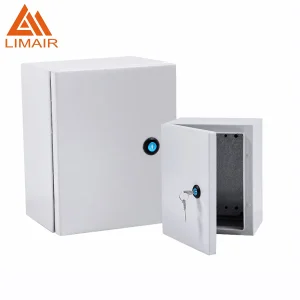
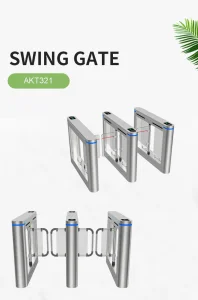
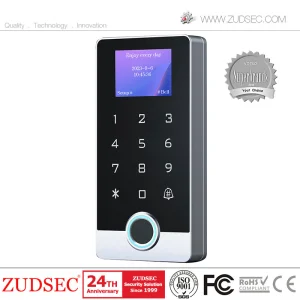
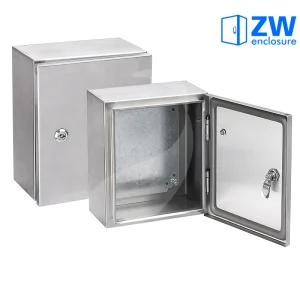
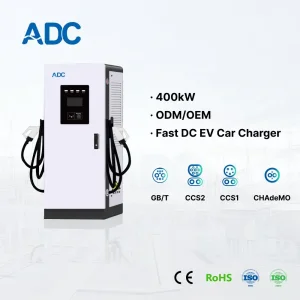
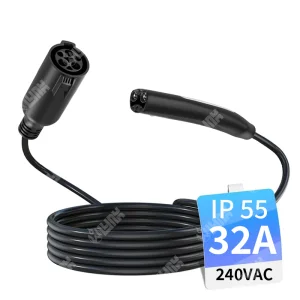
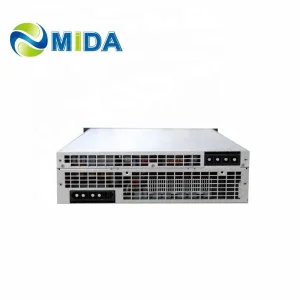
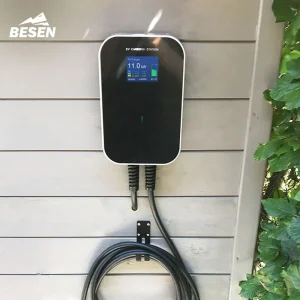
Explore our full line of electrical distribution cabinets, cable extensions, charging modules, and secure access systems.
 Midwest Charger