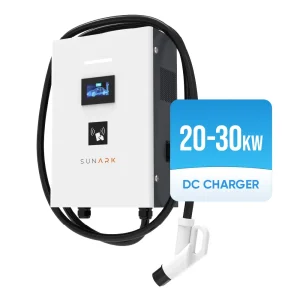
The global transition toward electric mobility requires highly advanced Smart Charging Management Systems (SCMS). As grid capacities face unprecedented stress, traditional non-communicating charging setups are becoming obsolete. Modern industrial parks, commercial complexes, and municipal fleets require complex orchestration systems to distribute power without risking site-wide power outages or overloading utility feeders.
This paradigm shift is driven by a convergence of environmental regulations and commercial efficiency requirements. Globally, regions with high electric vehicle penetration are mandating the integration of Open Charge Point Protocol (OCPP) to ensure absolute interoperability between electric vehicle supply equipment (EVSE) and cloud-based management platforms.
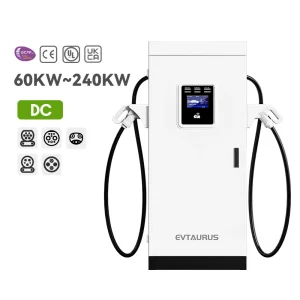
By leveraging dynamic load balancing (DLB), local energy management (LEM), and real-time telemetry, enterprise-grade charging infrastructure can automatically throttle and distribute power delivery based on peak demand rates, grid frequency fluctuation, and localized vehicle priority settings.
Zhejiang Midwest Charger Co., Ltd. is a leading high-tech enterprise based in China, specializing in the research, development, production, and sales of electric vehicle (EV) charging equipment. Our diverse product portfolio includes home AC charging stations, portable AC chargers, and high-performance DC fast charging stations suitable for residential, commercial, and public applications. With a strong commitment to innovation and excellence, we aim to provide safe, reliable, and efficient EV charging solutions to meet the evolving needs of global customers.
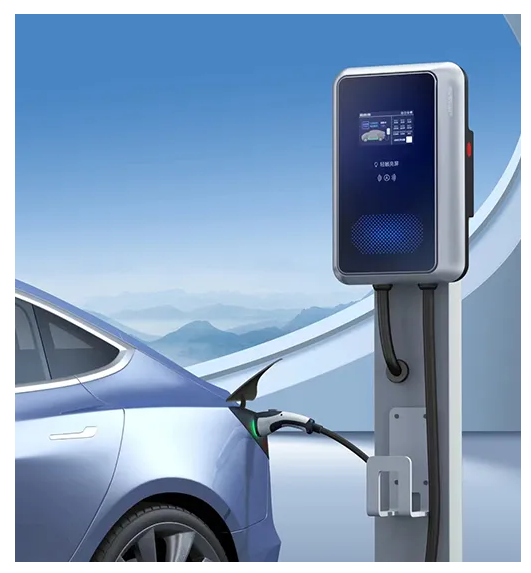
Our corporate vision is to make EV charging safer, smarter, and more accessible. We strive to be a first-class enterprise and build an internationally recognized brand. By continuously advancing technology and adhering to strict quality standards, we aim to lead the EV charging industry toward a more sustainable and electrified future.
Through our dedicated efforts, Zhejiang Midwest Charger Co., Ltd. has successfully exported products to over 20 countries, including the United States, the United Kingdom, Germany, France, and more. Our products comply with CE, CQC, and other international and domestic quality certifications, and we hold multiple invention patents for our proprietary technologies.
Our company operates an 8,000-square-meter modern factory with around 200 skilled employees. With over 12 years of manufacturing experience, we support both ODM and OEM services, enabling customized solutions for diverse market needs. Our R&D team focuses on innovative design, energy efficiency, and intelligent charging management to ensure each product meets the highest standards of performance and safety.
This deep technological competence is highlighted by our focus on IoT-enabled hardware architectures. We integrate localized microprocessors within our motherboards that support rapid firmware updates via Over-The-Air (OTA) interfaces, enabling quick adaptations to new electric vehicles and utility regulatory frameworks without physical intervention.
Quality and safety are the cornerstones of our product philosophy. Each product undergoes rigorous testing and verification before entering the market. We carefully select suppliers for every component and perform regular inspections on all marketed products. Our commitment extends to comprehensive after-sales service, where our professional team follows up on all customer concerns until fully resolved.
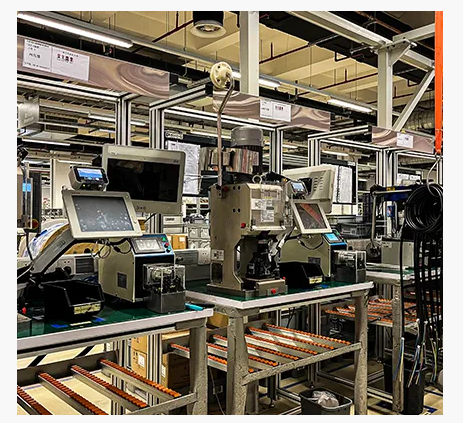
As direct manufacturers based in Zhejiang, we utilize localized supply chain clusters to lower costs while maintaining the high standards required for CE compliance.
Zhejiang is the global hub for electrical component manufacturing. We source terminal blocks, copper wiring, relational microcontrollers, and custom injection-molded chassis within a 50-kilometer radius, drastically reducing transportation delays and material acquisition costs.
Our facility features high-speed Surface Mount Technology (SMT) production lines. Printed Circuit Board Assemblies (PCBAs) undergo automated optical inspection (AOI) to catch soldering defects, ensuring long-term reliability for outdoor environments.
With localized tooling shops and internal mechanical designers, we turn custom product requirements into physical, testable prototypes in weeks. This allows global distributors to test new configurations quickly in their regional markets.
Our hardware and software integration are configured for specific applications to meet the operational demands of regional projects.
Designed for logistics networks, municipal transport departments, and package delivery operations requiring overnight charging.
Optimized for shopping malls, retail spaces, corporate offices, and mixed-use structures with multiple tenant vehicles.
Designed for individual residential sites or multi-family properties integrated with local solar systems.
Global buyers must verify key technical standards to prevent compliance failures and maintain interoperability. When importing EV charging equipment from China, ensure your manufacturer meets the following criteria:
Bidirectional power integration allows vehicle batteries to serve as decentralized storage systems, feeding energy back to the grid during peak consumption hours.
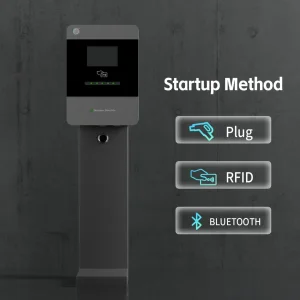
Secured, automated cryptographic handshakes allow EV drivers to plug in and charge without needing cards or apps.
Real-time thermal tracking and connector monitoring isolate failing components before they cause system breakdowns, maximizing uptime.
CE certification indicates that the product complies with the European Economic Area's safety, health, and environmental protection standards. For EV chargers, this guarantees compliance with key directives: the Low Voltage Directive (LVD) for electrical safety, the Electromagnetic Compatibility (EMC) Directive to prevent interference, and the Radio Equipment Directive (RED) for wireless communications.
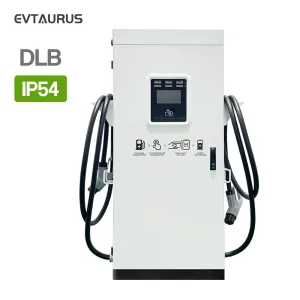
DLB monitors the property's total energy draw in real time. When overall power usage peaks (e.g., during office hours when HVAC systems run at capacity), the system throttles the power allocated to EV chargers. Once total building usage drops, charging speeds automatically scale back up.
Yes. By supporting OCPP 1.6J and OCPP 2.0.1 protocols, our chargers communicate with different backend management networks. This allows operators to choose payment systems, user tracking software, and grid integration dashboards that fit their setup.
OEM (Original Equipment Manufacturing) produces units based on your designs and branding, while ODM (Original Design Manufacturing) uses our engineered designs as a base, letting you customize branding, enclosure colors, cable lengths, and software settings.
We inspect raw materials, run automated PCBA checks, and conduct multi-hour burn-in and load tests under simulated operational environments before any product leaves our facility.
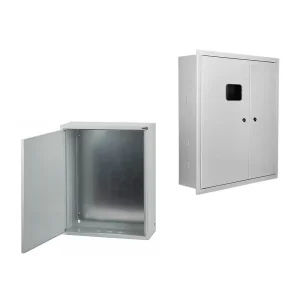
Our cabinets use high-grade stainless steel panels with custom ventilation fans. This provides protection against humidity, dust, and coastal salt spray, protecting internal power modules and electronics.
Solar EV charging integration routes excess power from local PV arrays directly to connected vehicles. This limits grid demand charges and maximizes the use of onsite renewable energy.
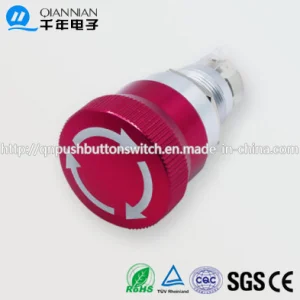
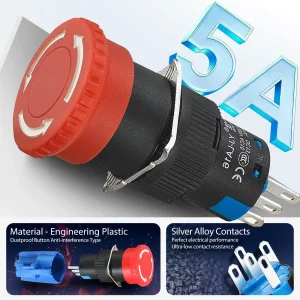
Our systems include mushroom-head emergency stop buttons. When pressed, they cut the drive signal to the main contactor within milliseconds, isolating the vehicle and terminal from grid power.

 Midwest Charger